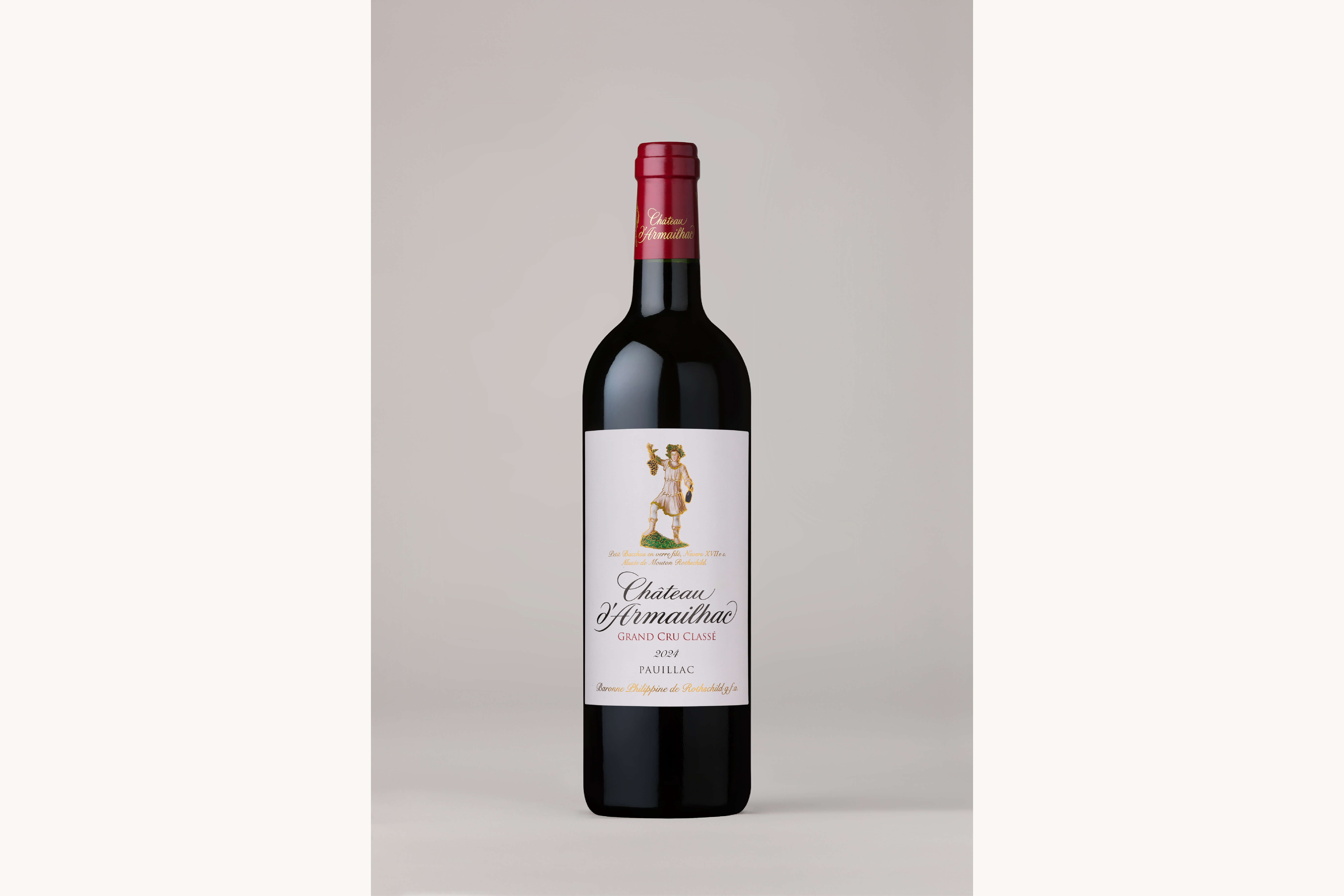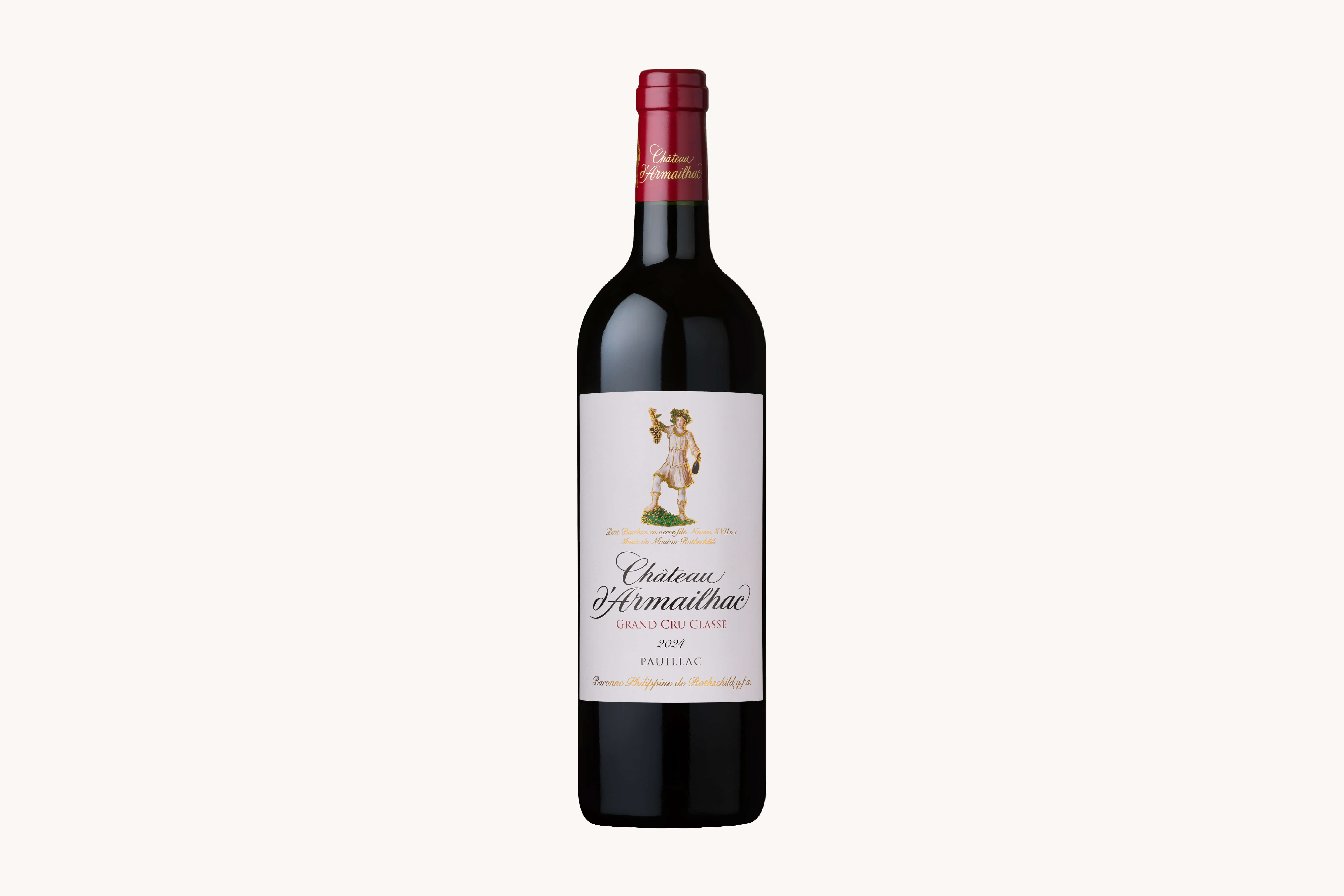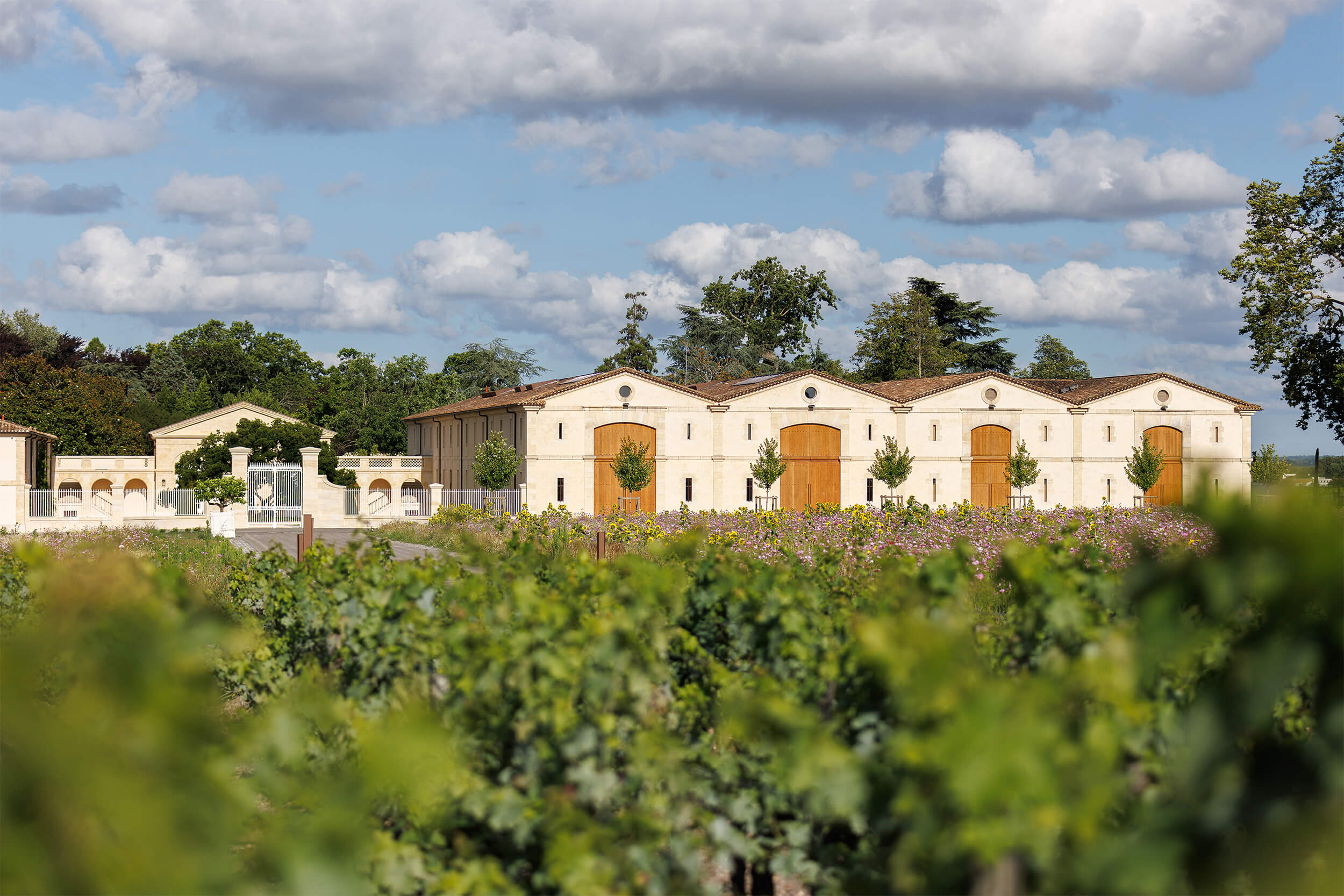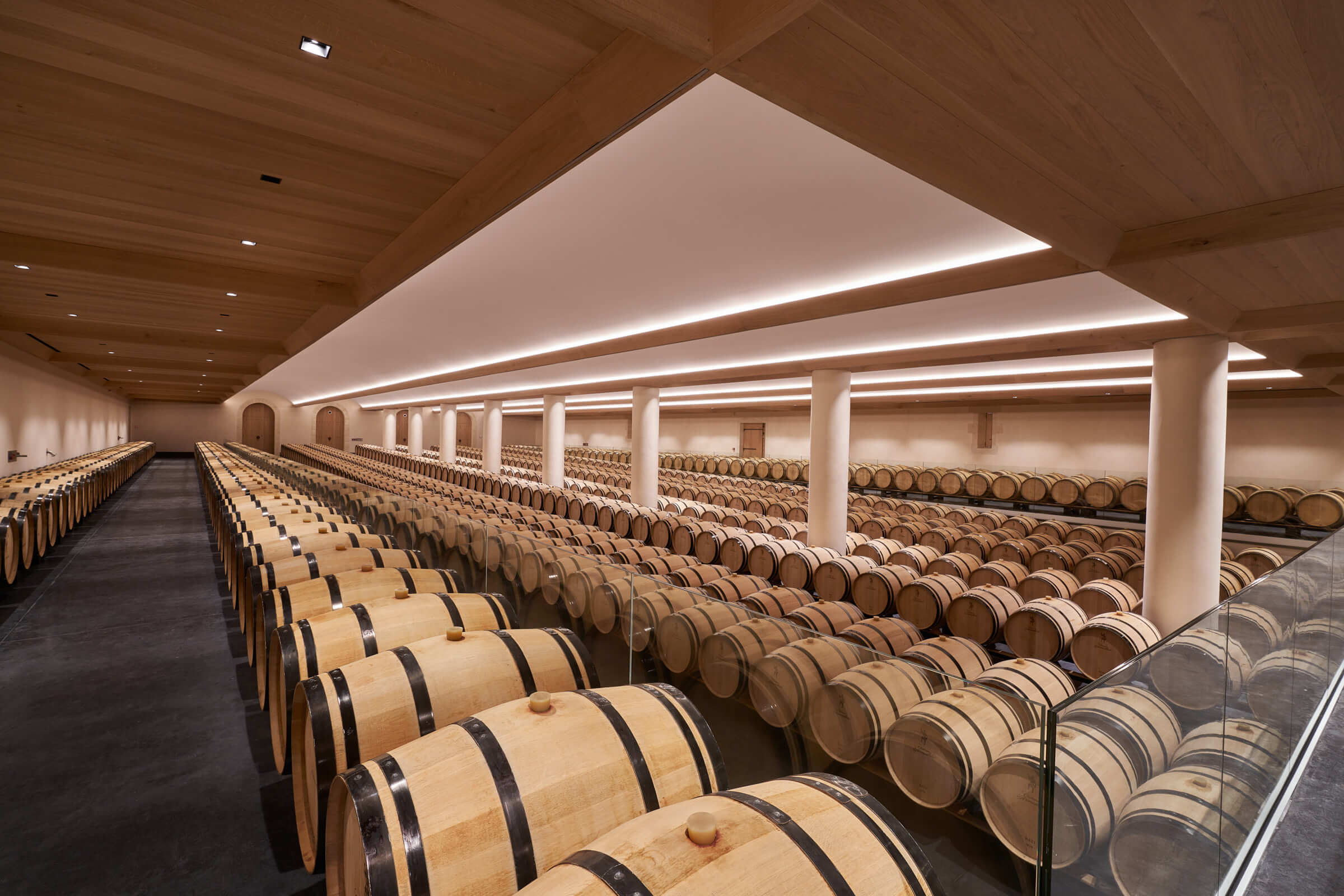


Varietal mix
93% Cabernet Sauvignon
7% Merlot

Maturing
New barrels: 100%
Duration: 18 months
Tasting notes
Garnet red with a crimson hue, the wine has a refined and complex nose that gradually opens up on wild bilberry and red berry fruit aromas enhanced by brioche notes and a delicate floral touch. Hints of toasted almond bring a subtle succulence to round off the whole. Full-bodied and smooth, its silky, harmonious texture enfolds the palate, introducing an impression of opulence that mingles with an attractive minerality and some smoky notes. Highly refined, precise and chiselled tannins bring balance and structure, while luminous red berry notes stretch into a long finish, leaving a lingering impression of freshness and elegance.
Technical information
Alcohol by volume: 12.9%
pH: 3.71
Harvest
23 September to 5 October
Vegetation Cycle
Budbreak: 26 March
Flowering: 4 to 9 June
Veraison: 14 to 24 August
Vintage Report
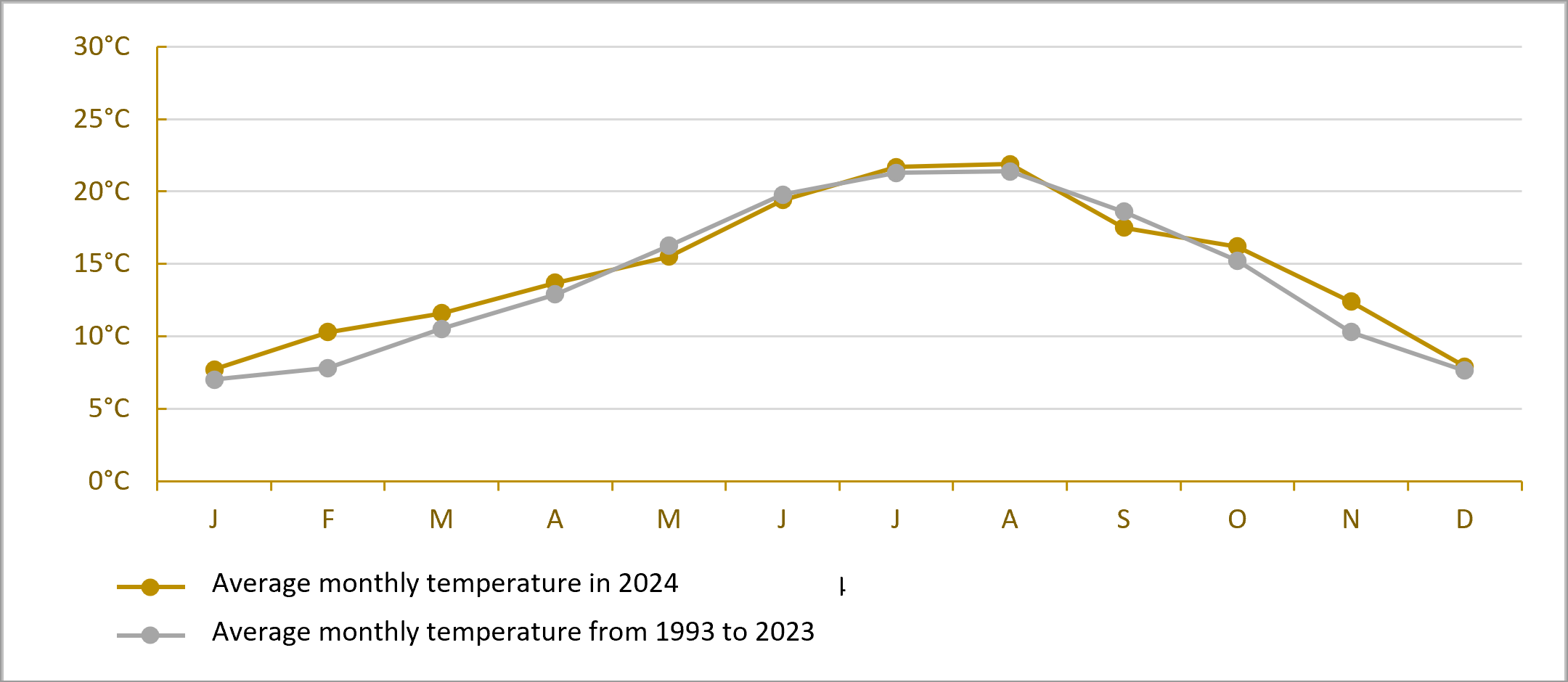
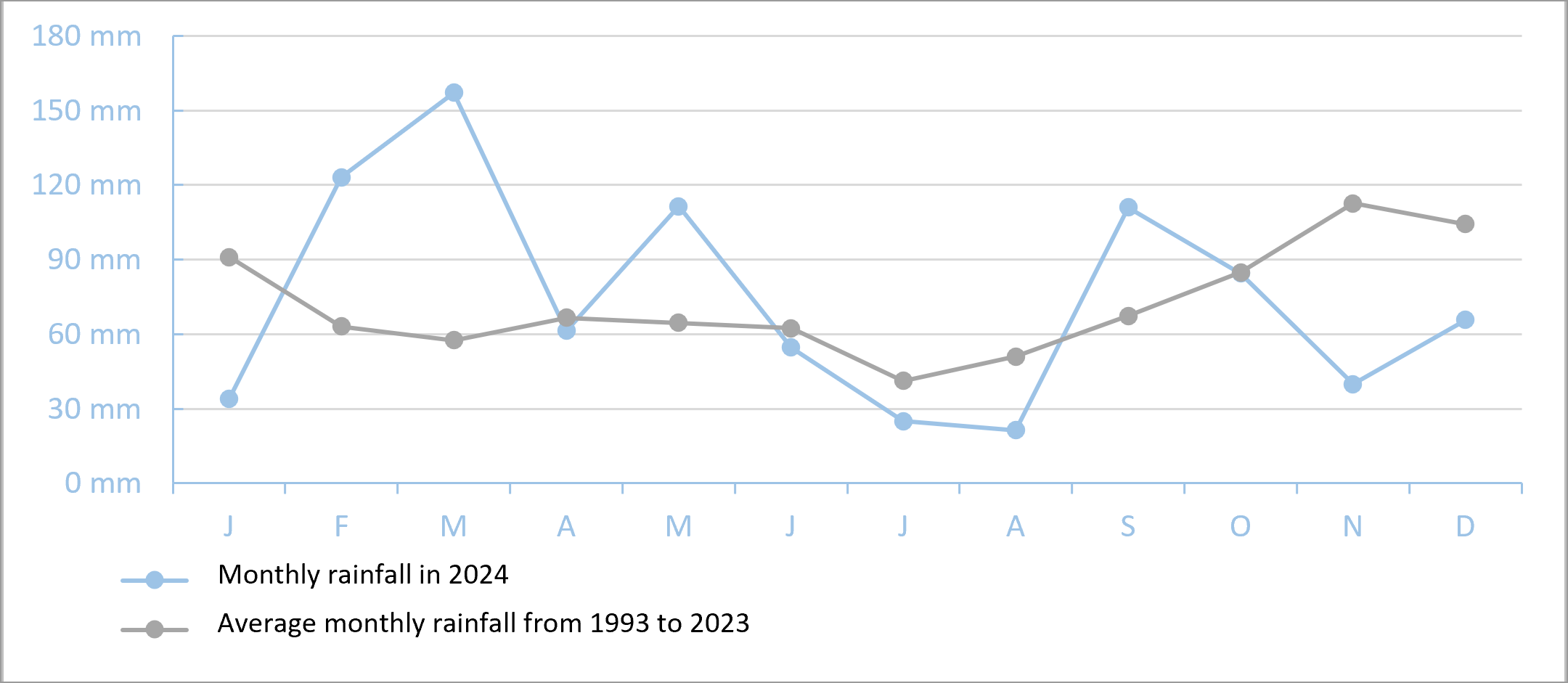
A mild and very wet winter caused early budbreak at end-March, about a week before the thirty-year average. Though April was mostly dry, heavy rain combined with cool temperatures and moderate sunshine in May encouraged the spread of downy mildew and slowed the vine growth cycle. These challenging conditions during flowering and berry set led in some cases to poor fruit set and shatter, especially in Merlot and early Cabernet plots.
Summer brought much better weather and a water deficit on gravel soils which was highly beneficial for the vines and lasted until harvest. Hot days without excessively high temperatures alternated with cool nights, providing favourable conditions for the grapes to reach a good level of phenolic maturity. Picking started on 23 September and continued uninterrupted in changeable weather, ending in sunshine in early October.
2024 was a challenging vintage at the beginning and at the end of the growing season, though fortunately the weather turned fair at critical times for quality. The hot, dry and sunny summer caused a water shortage that favoured mature tannins and encouraged the synthesis of anthocyanins. From tilling in spring to harvest, committed people and highly effective technical resources kept us on the front foot and meant that we were never left having to react after the event. That fine-tuned vineyard management helped us to make fresh, highly aromatic, refined and elegant wines that perfectly illustrate the Atlantic expression of the terroirs they come from.
Vineyard
Surface area in production: 82 hectares (203 acres)
Average age: 50 years
Type de soil: deep gravel

Presentation of the estate
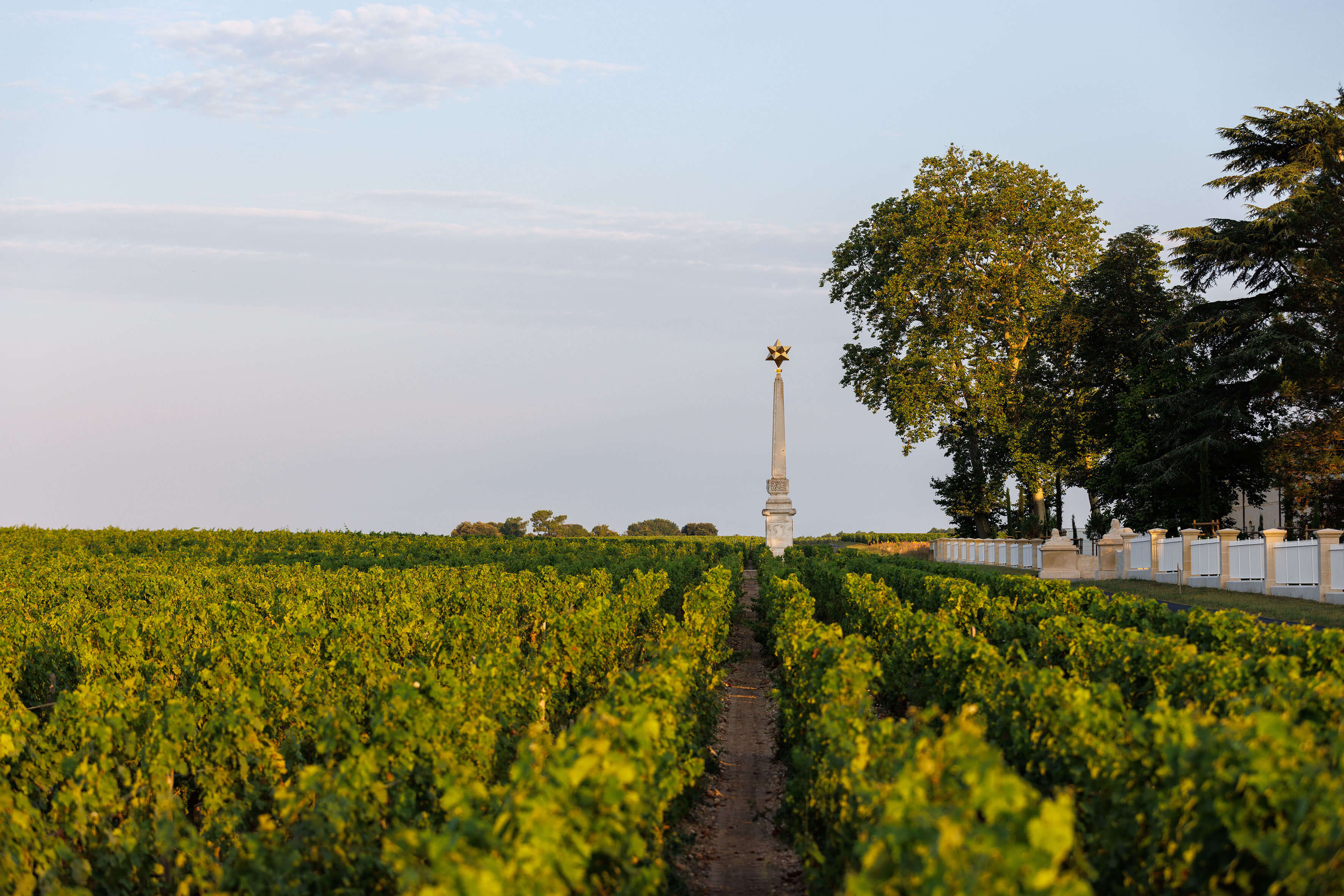
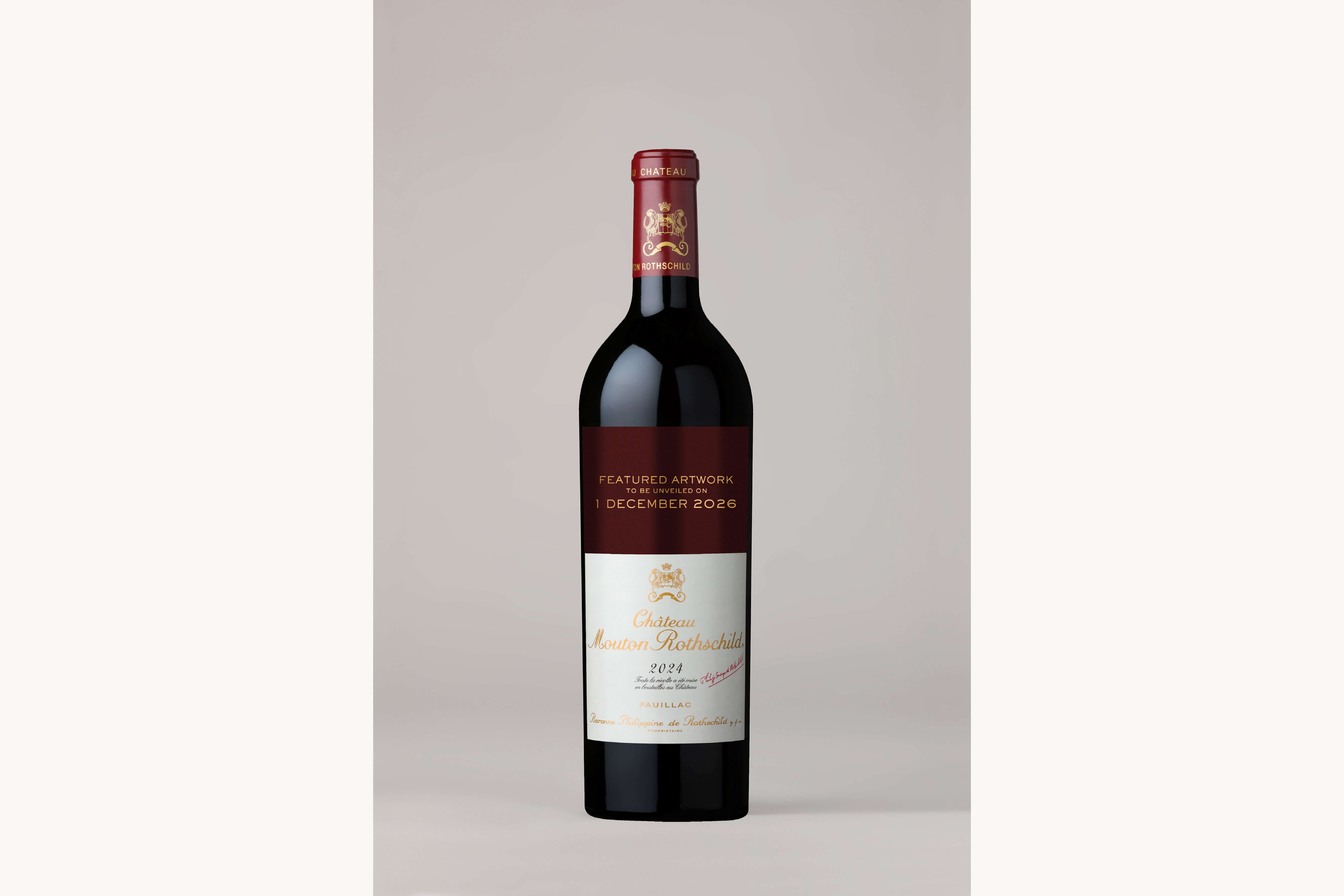
A First Classified Growth, Château Mouton Rothschild spans 82 hectares (202 acres) of vines at Pauillac. At the heart of the vineyard lie lie two plateaux of deep gravel planted with the classic varieties of the region: Cabernet Sauvignon (79%), Merlot (17%), Cabernet Franc (3%) and Petit Verdot (1%). Château Mouton Rothschild is an opulent and stylish wine, big but not overwhelming and highly precise, with powerful yet refined and silky tannins. The estate was brought to the pinnacle by Baron Philippe de Rothschild then his daughter Baroness Philippine. Her three children, Camille and Philippe Sereys de Rothschild and Julien de Beaumarchais de Rothschild, are now committed to perpetuating that quest for excellence. Every year since 1945, the Château Mouton Rothschild label has been illustrated with an original artwork by a great contemporary artist.
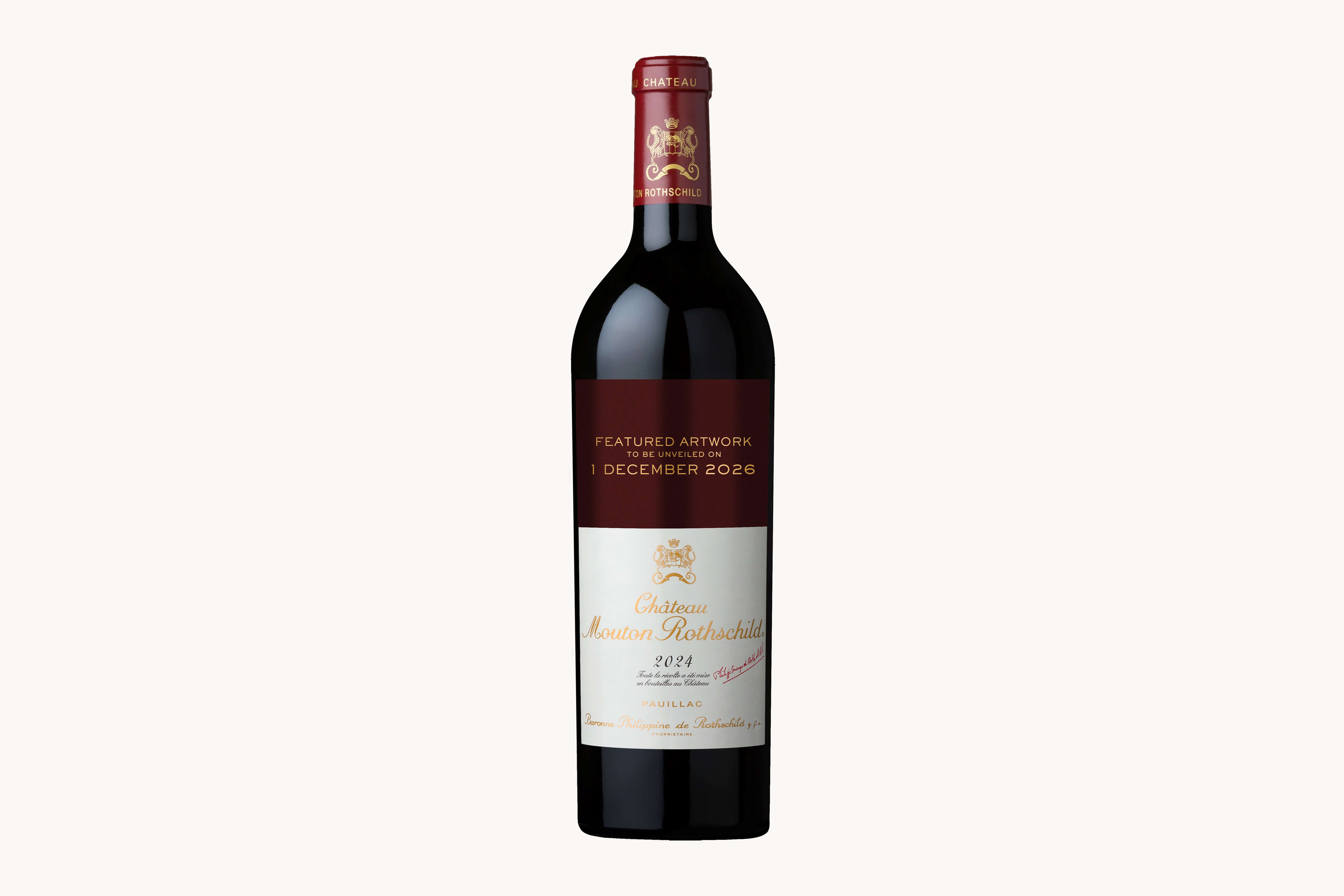
.jpg)
.jpg)


Varietal mix
67% Cabernet Sauvignon
26% Merlot
5% Cabernet Franc
2% Petit Verdot
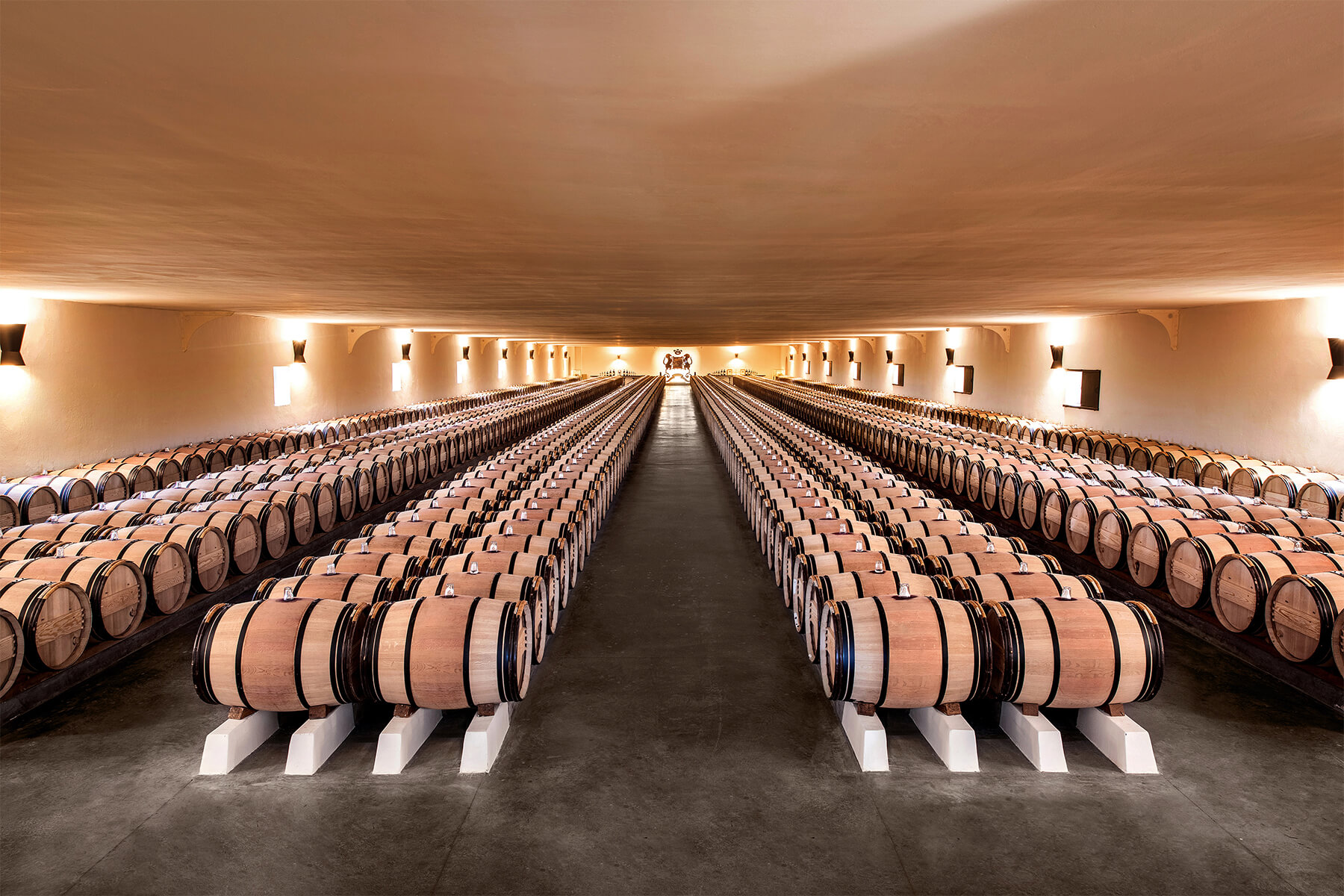
Maturing
New barrels: 50%
Duration: 18 months
Tasting notes
A deep ruby red with purplish highlights, the wine opens on attractively fresh fruit, especially raspberry and blackcurrant, along with touches of mint and graphite. Subtle hints of dark chocolate, mild spice such as nutmeg, and a touch of blond tobacco add depth to the complex and delicate bouquet. The texture is highly precise, taut and athletic, while radiant fruit remains the guiding thread throughout, underpinned by beautifully structured, tongue-tingling tannins, leading into a long and mineral finish that leaves a lingering impression of purity and refinement.
Technical information
Alcohol by volume: 13.0%
pH: 3.62
Harvest
23 September to 5 October
Vegetation Cycle
Budbreak: 26 March
Flowering: 4 to 9 June
Veraison: 14 to 24 August
Vintage Report
A mild and very wet winter caused early budbreak at end-March, about a week before the thirty-year average. Though April was mostly dry, heavy rain combined with cool temperatures and moderate sunshine in May encouraged the spread of downy mildew and slowed the vine growth cycle. These challenging conditions during flowering and berry set led in some cases to poor fruit set and shatter, especially in Merlot and early Cabernet plots.
Summer brought much better weather and a water deficit on gravel soils which was highly beneficial for the vines and lasted until harvest. Hot days without excessively high temperatures alternated with cool nights, providing favourable conditions for the grapes to reach a good level of phenolic maturity. Picking started on 23 September and continued uninterrupted in changeable weather, ending in sunshine in early October.
2024 was a challenging vintage at the beginning and at the end of the growing season, though fortunately the weather turned fair at critical times for quality. The hot, dry and sunny summer caused a water shortage that favoured mature tannins and encouraged the synthesis of anthocyanins. From tilling in spring to harvest, committed people and highly effective technical resources kept us on the front foot and meant that we were never left having to react after the event. That fine-tuned vineyard management helped us to make fresh, highly aromatic, refined and elegant wines that perfectly illustrate the Atlantic expression of the terroirs they come from.
Vineyard
Surface area in production: 82 hectares (203 acres)
Average age: 50 years
Type de soil: deep gravel
Presentation of the estate
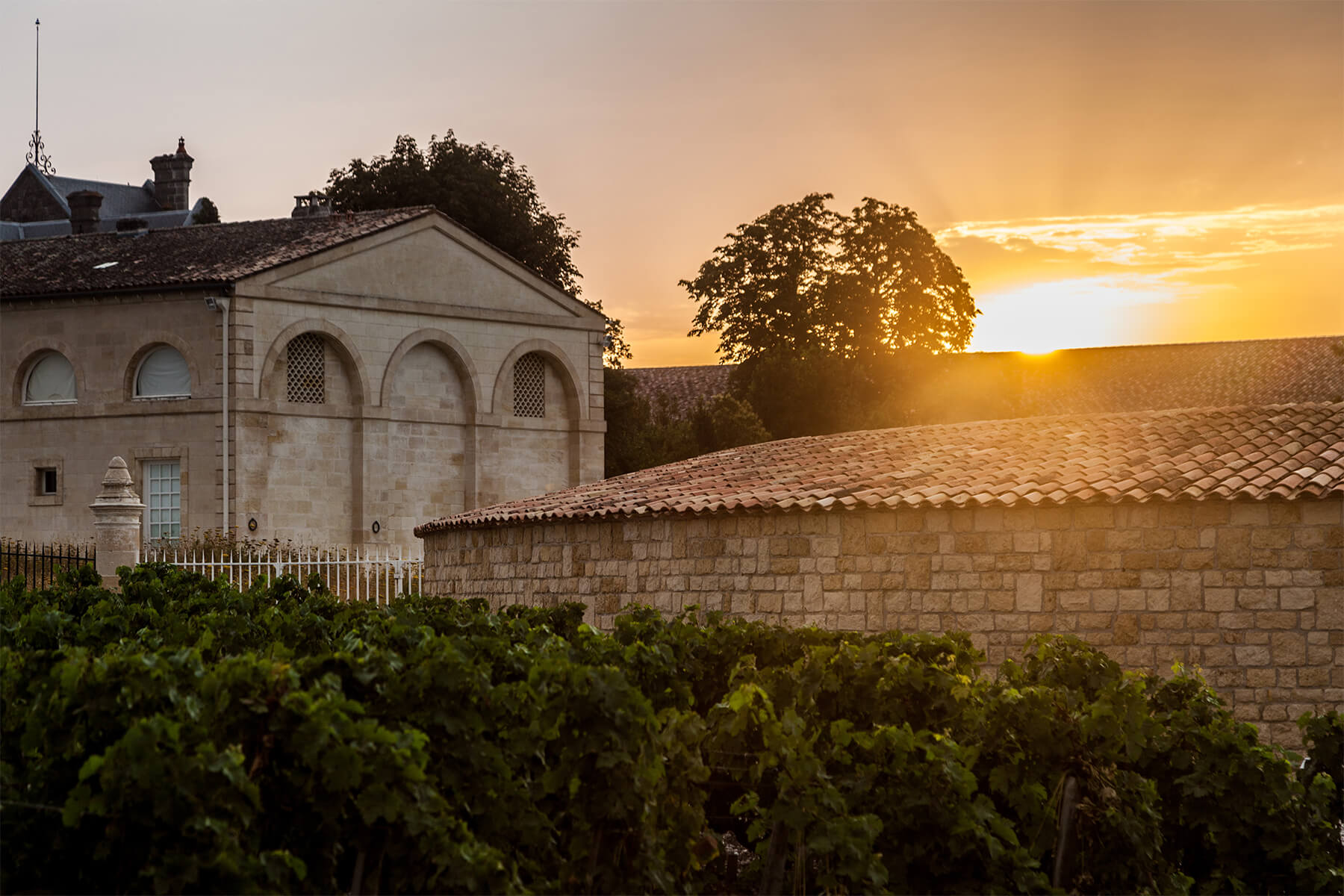
A First Classified Growth, Château Mouton Rothschild spans 82 hectares (202 acres) of vines at Pauillac.
At the heart of the vineyard lie lie two plateaux of deep gravel planted with the classic varieties of the region: Cabernet Sauvignon (79%), Merlot (17%), Cabernet Franc (3%) and Petit Verdot (1%).
Château Mouton Rothschild is an opulent and stylish wine, big but not overwhelming and highly precise, with powerful yet refined and silky tannins.
The estate was brought to the pinnacle by Baron Philippe de Rothschild then his daughter Baroness Philippine. Her three children, Camille and Philippe Sereys de Rothschild and Julien de Beaumarchais de Rothschild, are now committed to perpetuating that quest for excellence.
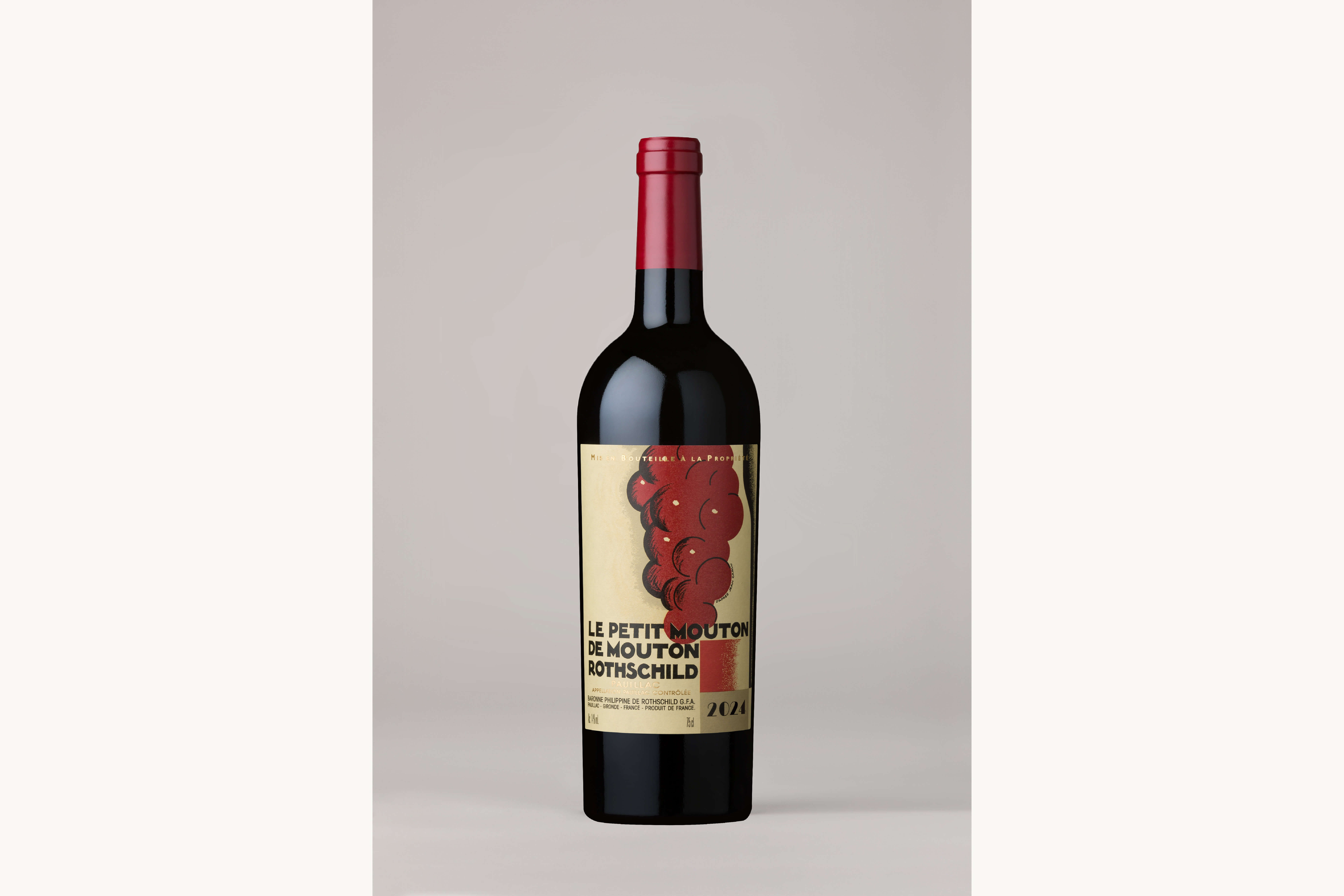
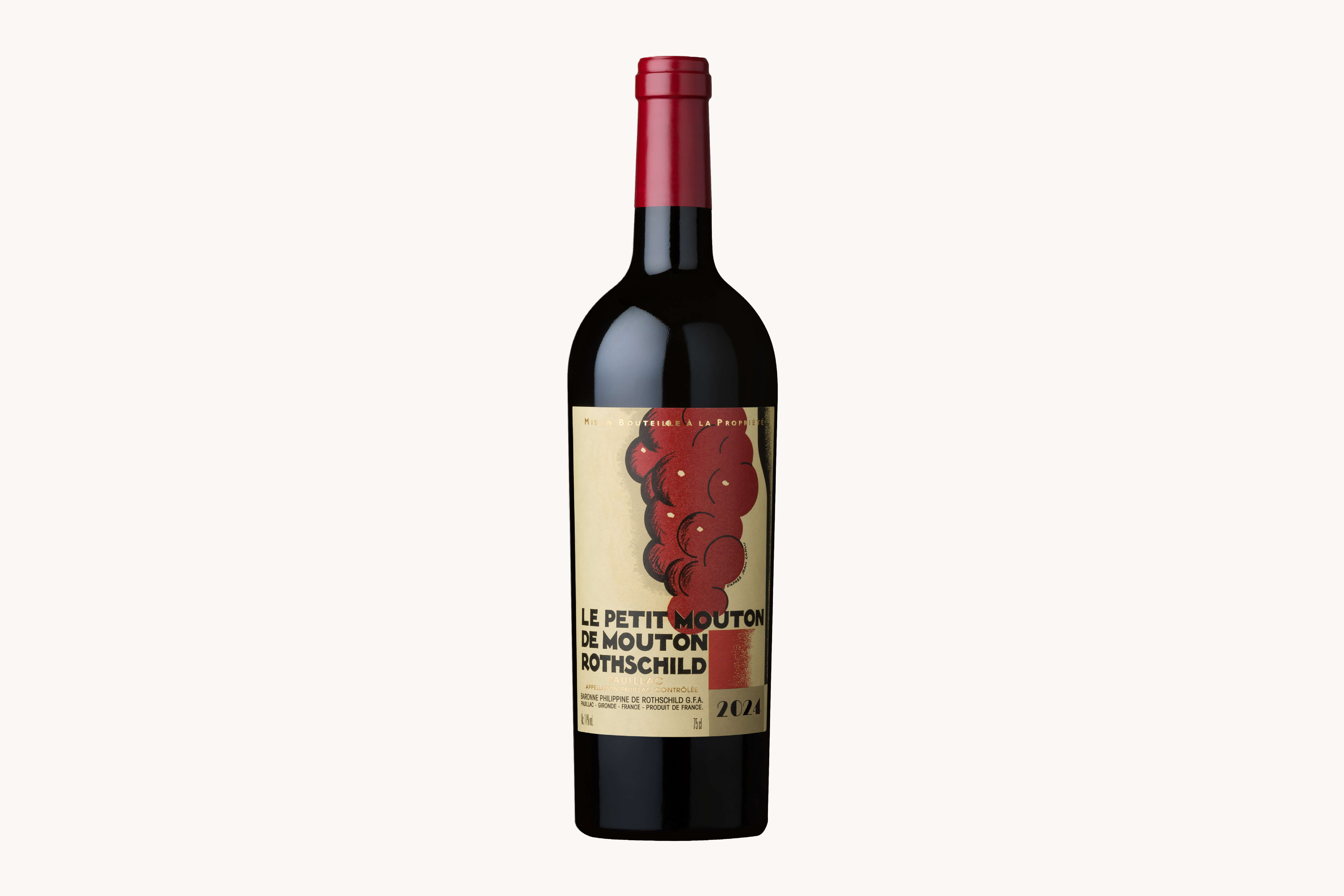
Le Petit Mouton de Mouton Rothschild is the second wine of Château Mouton Rothschild.

Varietal mix
54.5% Sauvignon Blanc
33% Sémillon
12.5% Sauvignon Gris
Maturing
New barrels: 45%
Duration: 9 months
Tasting notes
Pale yellow and very clear with a glittering hue, the wine has a highly expressive nose on freshly picked vine peach aromas together with hints of citrus and white fruit. Floral notes of verbena and a touch of white pepper enhance the bouquet, while a subtle minerality conjures up the odour of stones moistened by a shower of rain after a day of summer sunshine. Dynamic and bracing on the palate, it evokes springtime with increasingly intense citrus flavours that build into an opulent and fresh body underpinned by notes of citrus peel and delicate hints of tea. Very long with a touch of salinity, the finish lingers on ripe fruit flavours.
Technical information
Alcohol by volume: 12.8%
pH: 3.05
Malolactic fermentation: 6.5%
Harvest
9 to 20 September
Vegetation Cycle
Budbreak: 25 March
Flowering: 6 to 11 June
Veraison: 7 to 11 August
Vintage Report
A mild and very wet winter caused early budbreak at end-March, about a week before the thirty-year average. Though April was mostly dry, heavy rain combined with cool temperatures and moderate sunshine in May encouraged the spread of downy mildew and slowed the vine growth cycle. These challenging conditions during flowering and berry set led to some poor fruit set and shatter.
Summer brought much better weather. Hot days without excessively high temperatures alternated with cool nights, encouraging the grapes to develop their aromas and flavours and keeping them fresh. Fine weather in the first three weeks of September meant that plots could be picked as the crop reached maturity, over an unusually long period from 9 to 20 September.
2024 was a challenging vintage at the beginning and at the end of the growing season, though fortunately the weather turned fair at critical times for quality. The hot, dry and sunny summer caused a water shortage that favoured mature tannins and encouraged the synthesis of anthocyanins. From tilling in spring to harvest, committed people and highly effective technical resources kept us on the front foot and meant that we were never left having to react after the event. That fine-tuned vineyard management helped us to make fresh, highly aromatic, refined and elegant wines that perfectly illustrate the Atlantic expression of the terroirs they come from.
Vineyard
Surface area in production: 9 hectares (22 acres)
Average age: 14 years
Type de soil: sandy gravel
Presentation of the estate
A First Classified Growth, Château Mouton Rothschild spans 82 hectares (202 acres) of vines at Pauillac.
At the heart of the vineyard lie lie two plateaux of deep gravel planted with the classic varieties of the region: Cabernet Sauvignon (79%), Merlot (17%), Cabernet Franc (3%) and Petit Verdot (1%).
Château Mouton Rothschild is an opulent and stylish wine, big but not overwhelming and highly precise, with powerful yet refined and silky tannins.
The estate was brought to the pinnacle by Baron Philippe de Rothschild then his daughter Baroness Philippine. Her three children, Camille and Philippe Sereys de Rothschild and Julien de Beaumarchais de Rothschild, are now committed to perpetuating that quest for excellence.
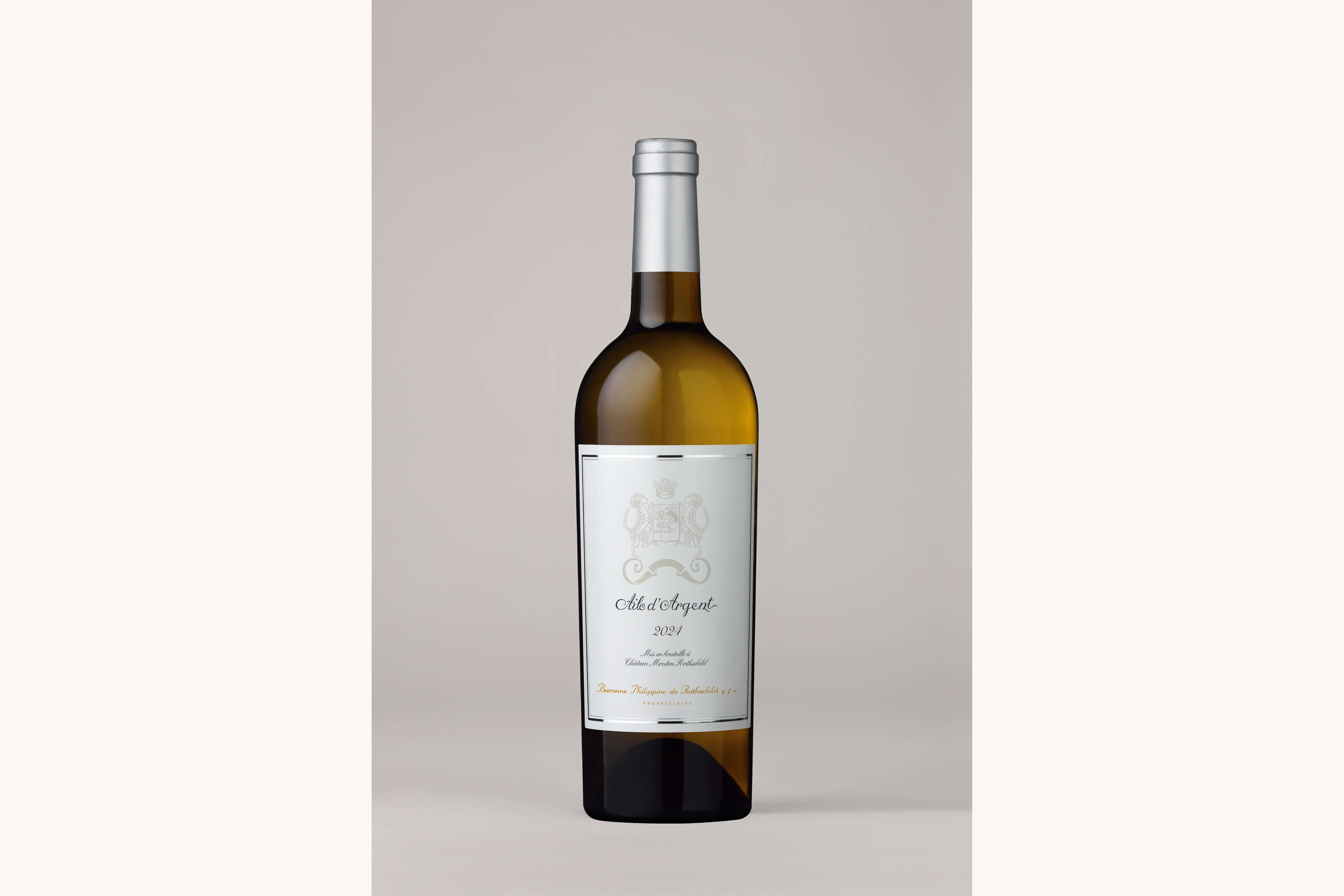
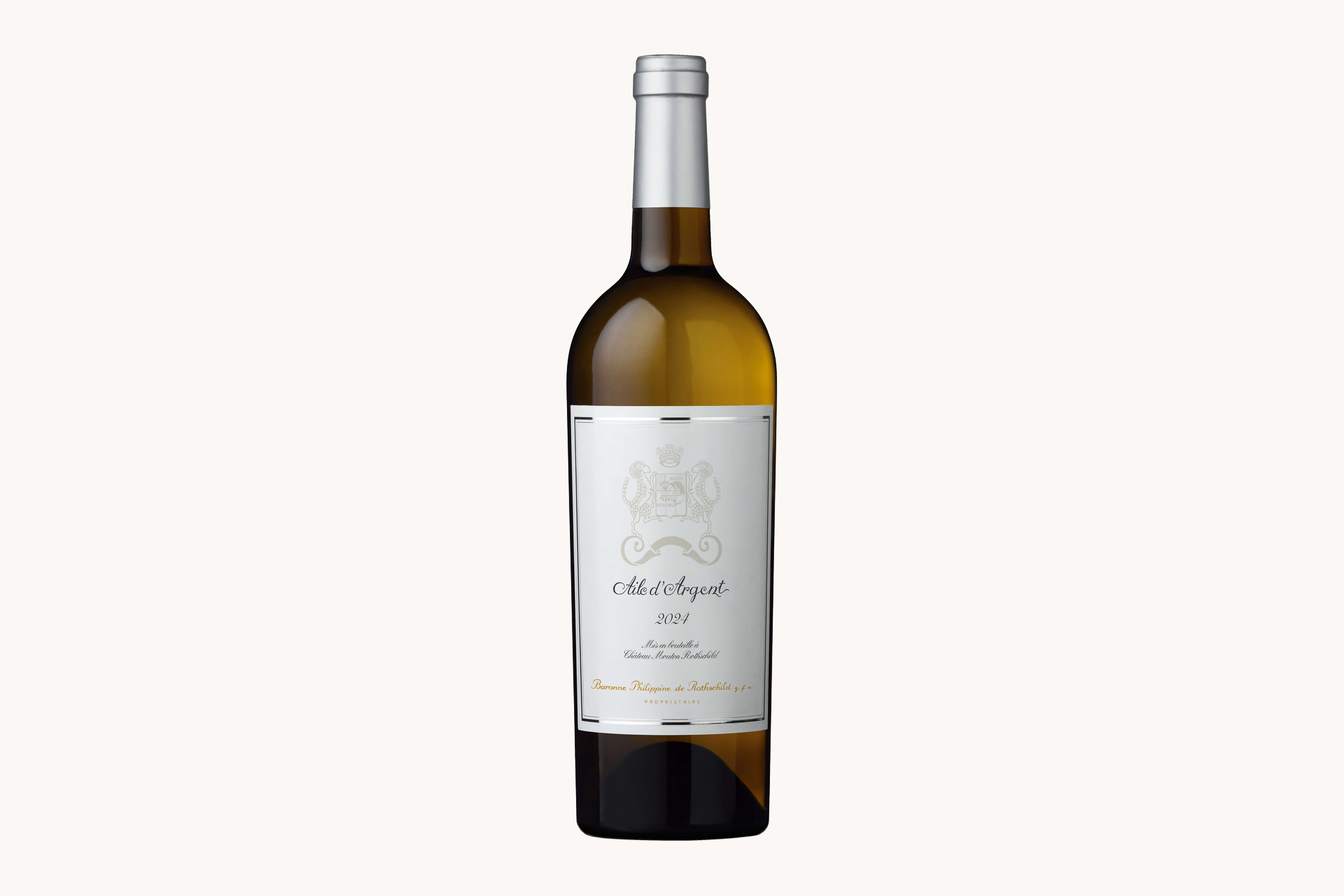
The estate also comprises 9 hectares (22 acres) of sandy, gravelly soil planted with Sauvignon Blanc (50.5%), Semillon (40%), Sauvignon Gris (9%) and Muscadelle (0.5%), used to make its white wine, Aile d’Argent.

Varietal mix
49% Merlot
41% Cabernet Sauvignon
9% Cabernet Franc
1% Carmenère
Maturing
New barrels: 0%
Duration: 12 months
Tasting notes
Ruby red with a glittering, purplish hue, the wine reveals alluring aromas of wild strawberry and ripe fruit set off by delicate floral touches of violet. The elegant attack displays a persistent tension that perfectly balances a supple texture, harmoniously combining refinement and substance. The intensity builds on juicy red fruit and white pepper flavours, giving way to chocolate notes on the finish.
Technical information
Alcohol by volume: 13.2%
pH: 3.64
Harvest
24 September to 6 October
Vegetation Cycle
Budbreak: 27 March
Flowering: 3 to 9 June
Veraison: 14 to 22 August
Vintage Report
A mild and very wet winter caused early budbreak at end-March, about a week before the thirty-year average. Though April was mostly dry, heavy rain combined with cool temperatures and moderate sunshine in May encouraged the spread of downy mildew and slowed the vine growth cycle. These challenging conditions during flowering and berry set led in some cases to poor fruit set and shatter, especially in Merlot and early Cabernet plots.
Summer brought much better weather and a water deficit on gravel soils which was highly beneficial for the vines and lasted until harvest. Hot days without excessively high temperatures alternated with cool nights, providing favourable conditions for the grapes to reach a good level of phenolic maturity. Picking started on 24 September and continued uninterrupted in changeable weather, ending in sunshine in early October.
2024 was a challenging vintage at the beginning and at the end of the growing season, though fortunately the weather turned fair at critical times for quality. The hot, dry and sunny summer caused a water shortage that favoured mature tannins and encouraged the synthesis of anthocyanins. From tilling in spring to harvest, committed people and highly effective technical resources kept us on the front foot and meant that we were never left having to react after the event. That fine-tuned vineyard management helped us to make fresh, highly aromatic, refined and elegant wines that perfectly illustrate the Atlantic expression of the terroirs they come from.
Vineyard
Surface area in production: 41 hectares (101 acres)
Average age: 47 years
Type de soil: gravel and clay-limestone
Presentation of the estate
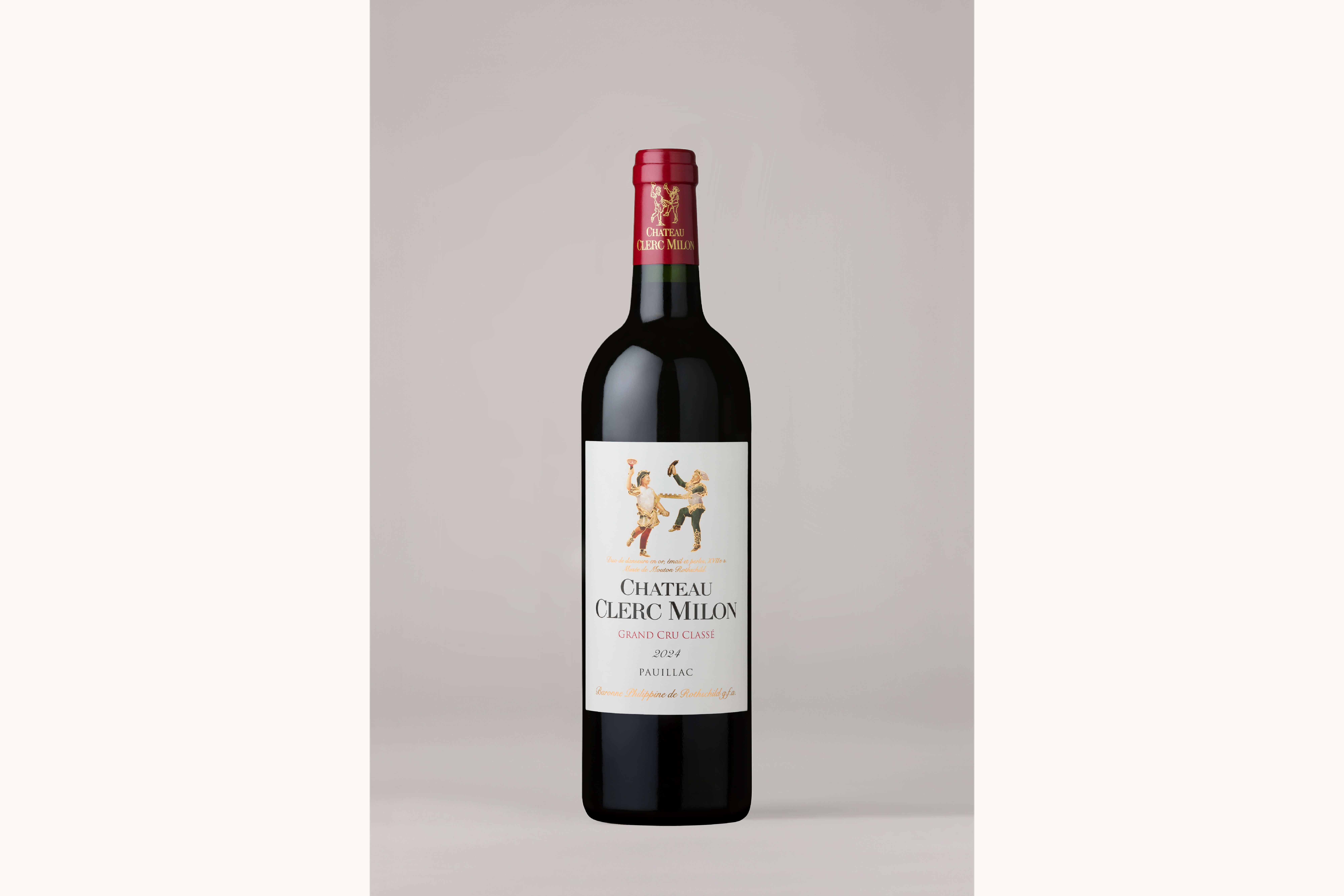
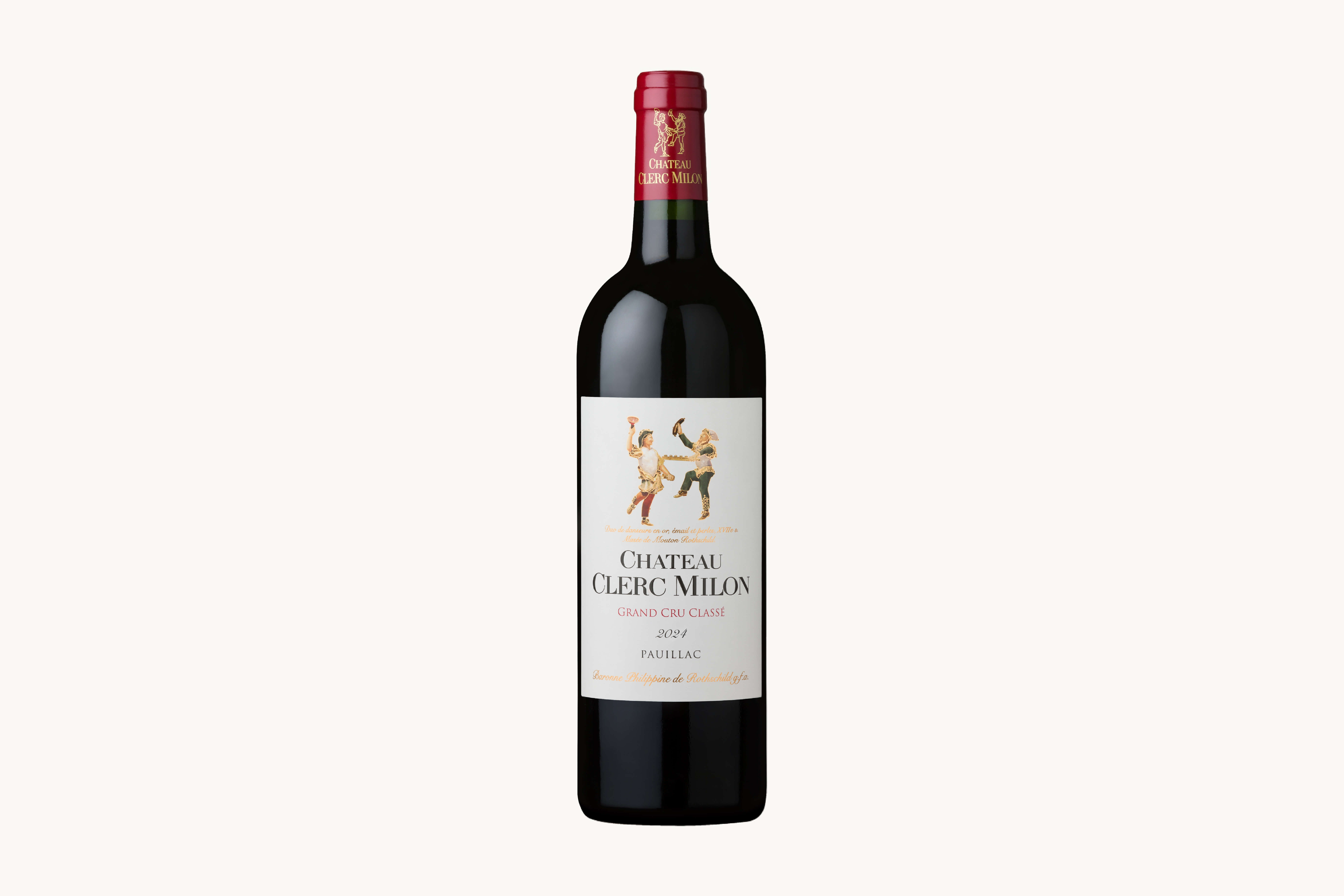
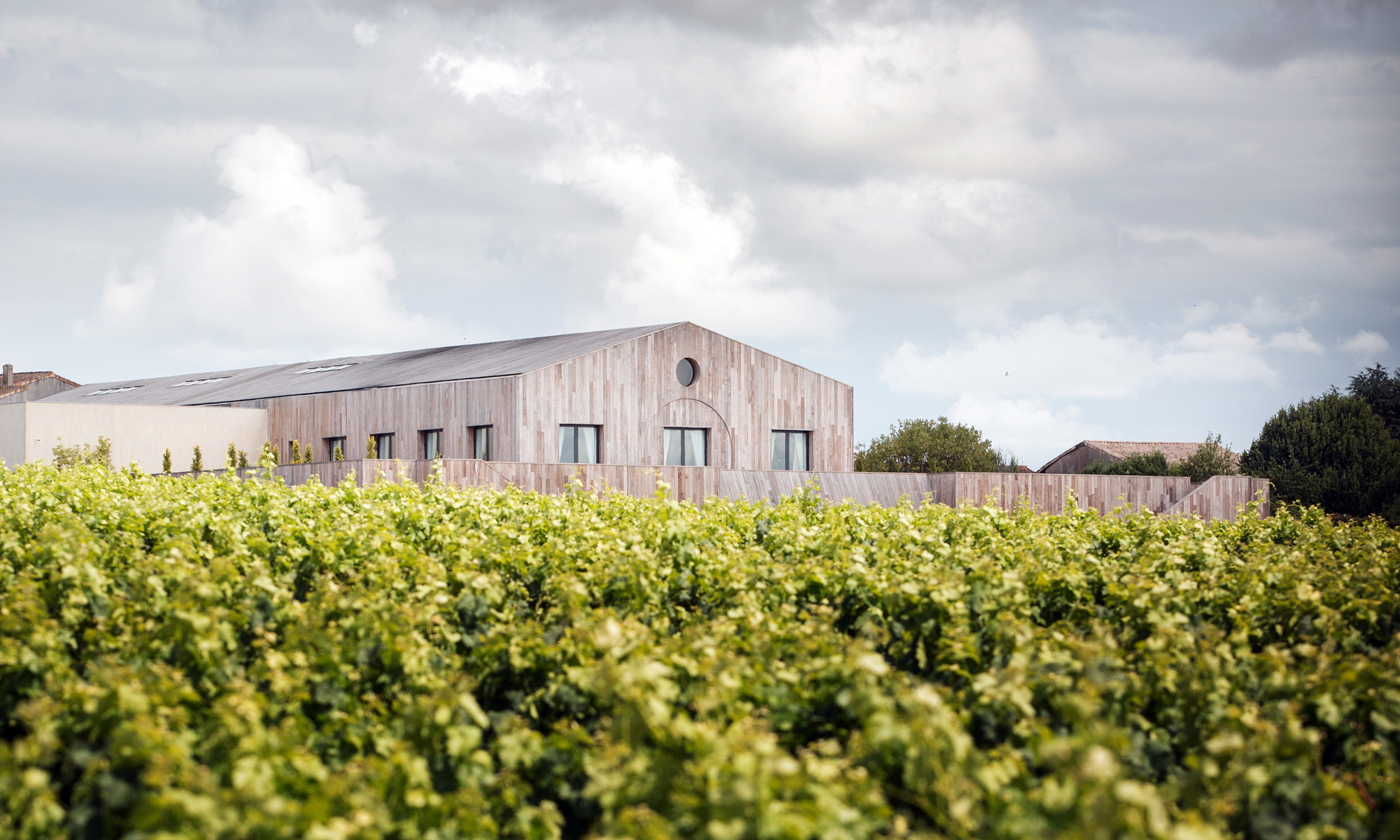
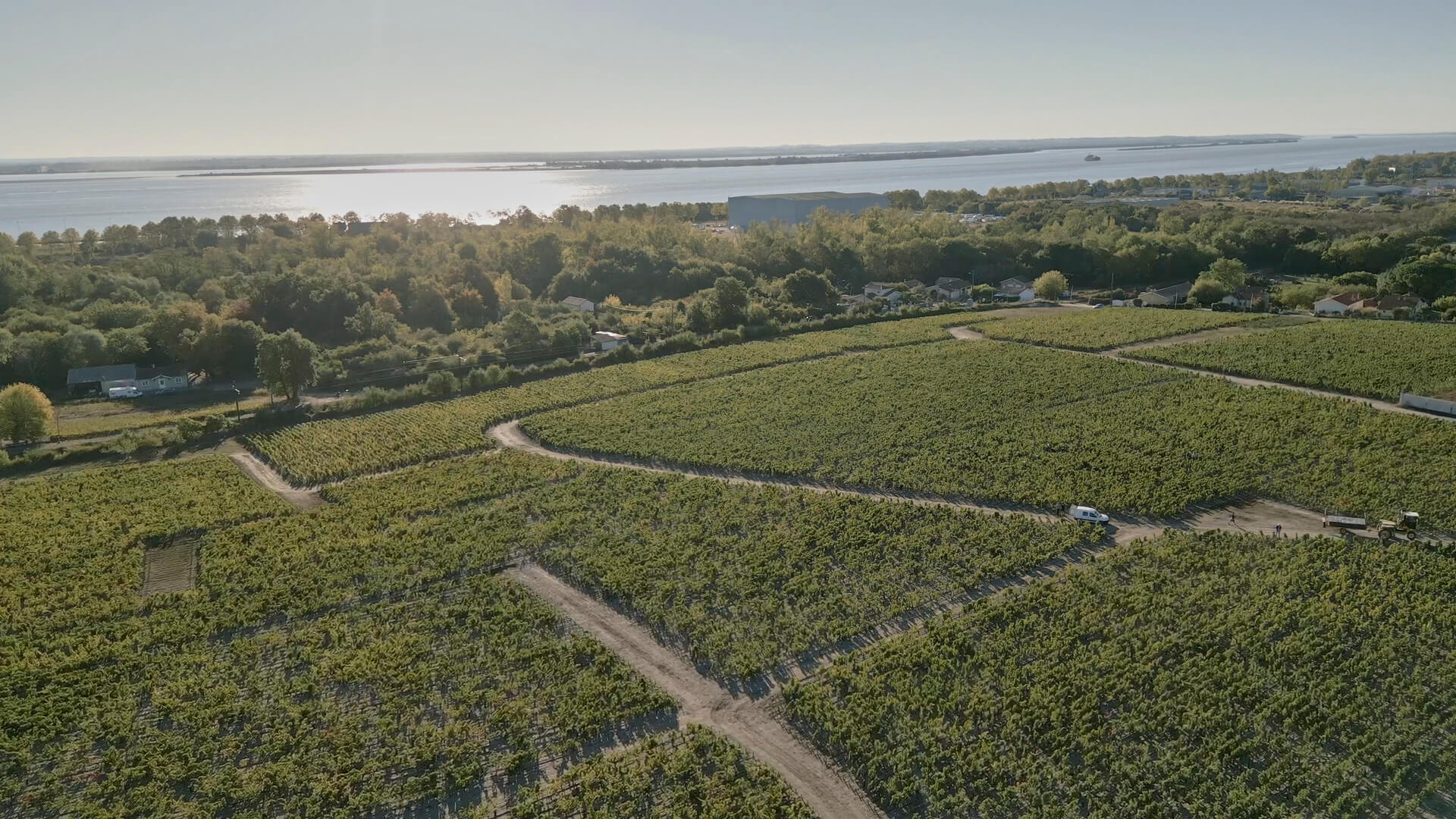
An 1855 Classified Growth, Château Clerc Milon is located in Pauillac. Bordering two First Classified Growths, it has 41 hectares (101 acres) of vines in a single sweep, mostly on the beautiful Mousset outcrop overlooking the Gironde estuary. The vineyard’s slopes and proximity to the estuary create a unique topography and microclimate.
The vineyard has five grape varieties typical of the region: Cabernet Sauvignon (54%), Merlot (34.5%), Cabernet Franc (9%), Carmenere (1.5%), including a parcel planted in 1948, and Petit Verdot (1%).
Baron Philippe de Rothschild acquired the estate in 1970; his work was later taken up by his daughter Baroness Philippine, followed by her children Camille and Philippe Sereys de Rothschild and Julien de Beaumarchais de Rothschild. Château Clerc Milon has more than ever become a benchmark for excellence in the Médoc, producing a beautifully balanced, elegant and precise wine with considerable ageing potential.
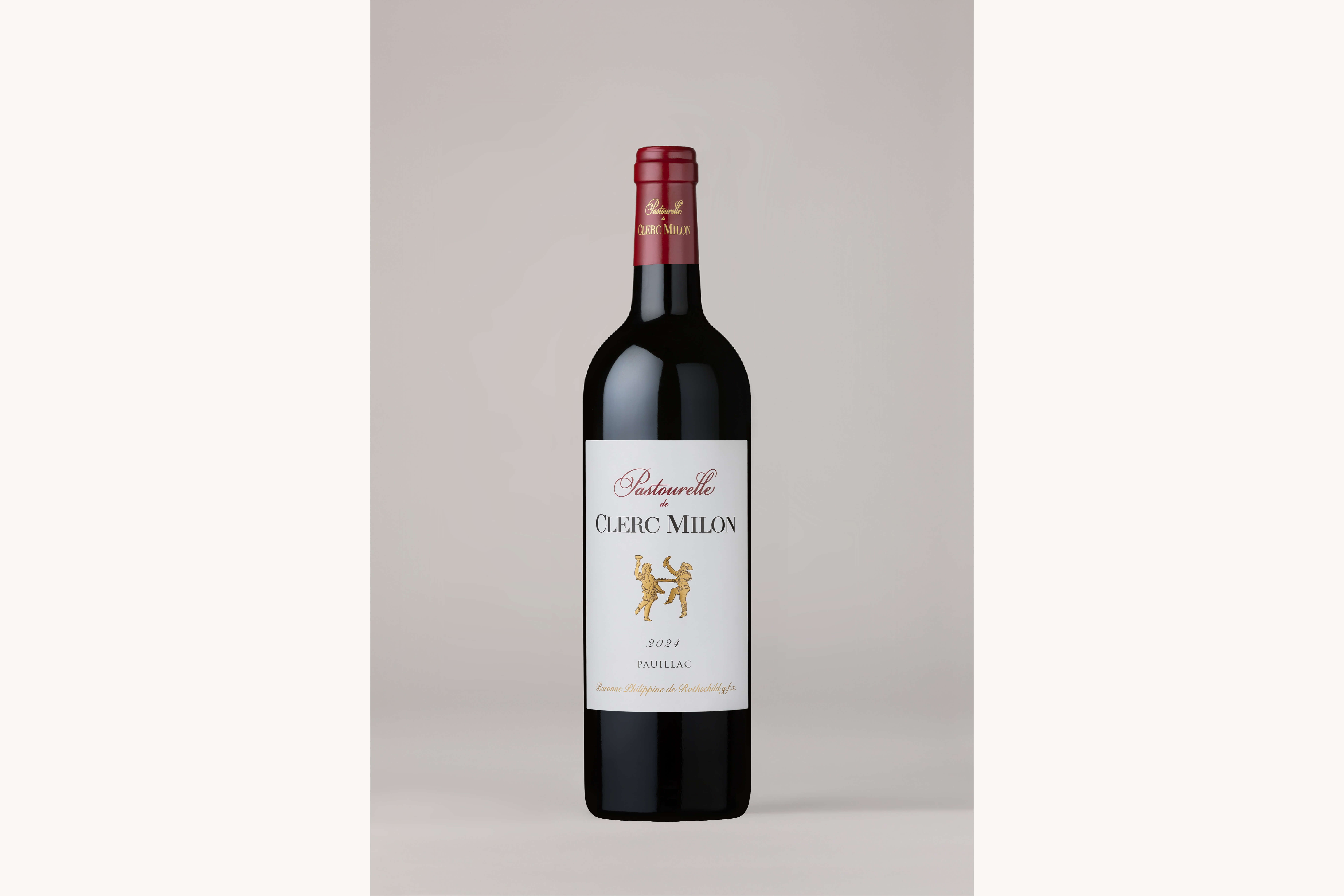
Pastourelle de Clerc Milon is the estate’s second wine, in which Merlot predominates.
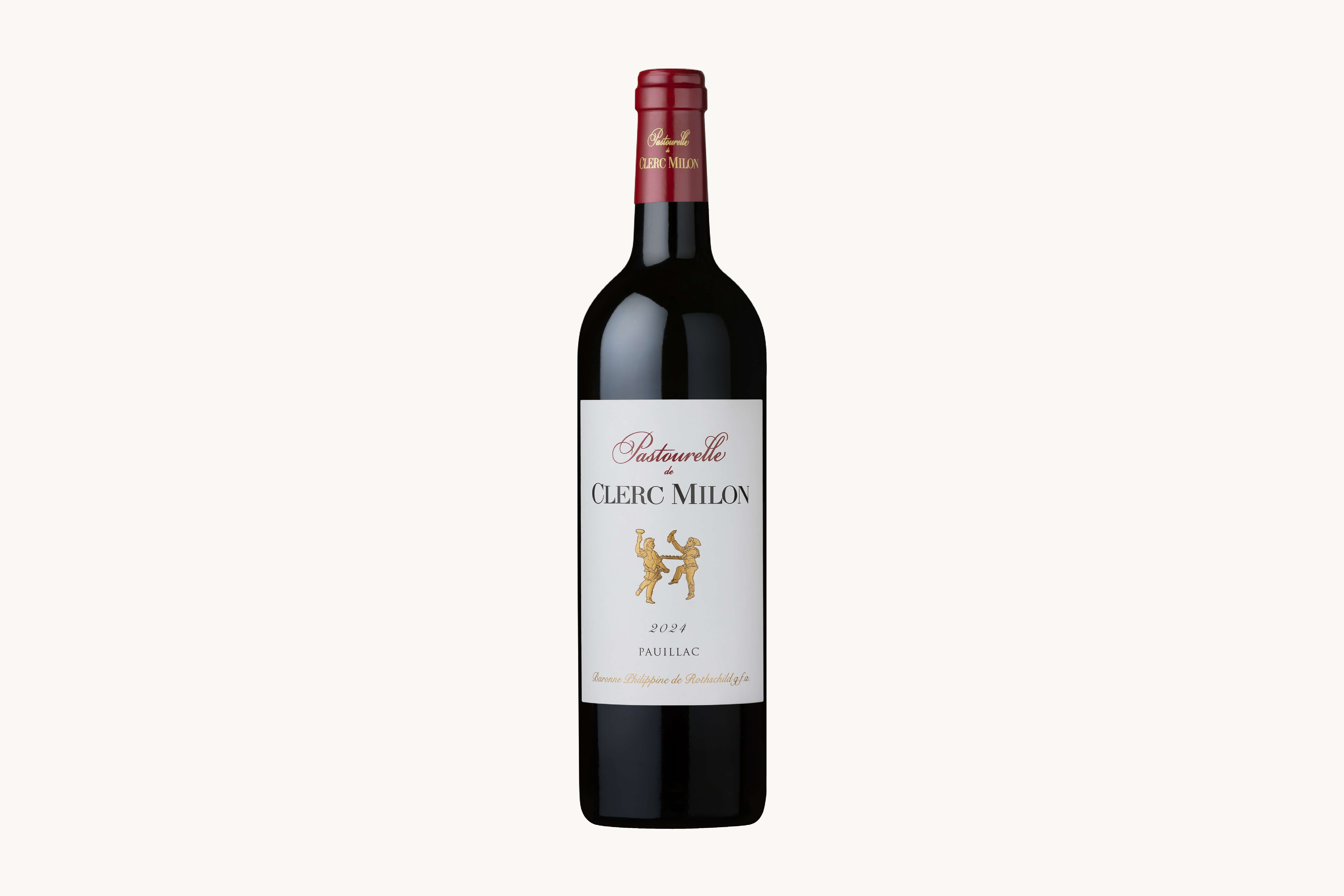

Varietal mix
66% Cabernet Sauvignon
24% Merlot
8% Cabernet Franc
1% Carmenère
1% Petit Verdot
Maturing
New barrels: 55%
Duration: 18 months
Tasting notes
A deep and intense red, the wine has a precise and subtle nose that reveals a complex array of aromas in which notes of bilberry and raspberry are enhanced by touches of mild spice, cedarwood, mocha and chocolate. Beautifully balanced, the texture is both smooth and refined, while the radiant palate offers an elegant structure with highly refined tannins of outstanding purity that bring a lustrous harmony to the whole.
Technical information
Alcohol by volume: 13.0%
pH: 3.72
Harvest
24 September to 6 October
Vegetation Cycle
Budbreak: 27 March
Flowering: 3 to 9 June
Veraison: 14 to 22 August
Vintage Report
A mild and very wet winter caused early budbreak at end-March, about a week before the thirty-year average. Though April was mostly dry, heavy rain combined with cool temperatures and moderate sunshine in May encouraged the spread of downy mildew and slowed the vine growth cycle. These challenging conditions during flowering and berry set led in some cases to poor fruit set and shatter, especially in Merlot and early Cabernet plots.
Summer brought much better weather and a water deficit on gravel soils which was highly beneficial for the vines and lasted until harvest. Hot days without excessively high temperatures alternated with cool nights, providing favourable conditions for the grapes to reach a good level of phenolic maturity. Picking started on 24 September and continued uninterrupted in changeable weather, ending in sunshine in early October.
2024 was a challenging vintage at the beginning and at the end of the growing season, though fortunately the weather turned fair at critical times for quality. The hot, dry and sunny summer caused a water shortage that favoured mature tannins and encouraged the synthesis of anthocyanins. From tilling in spring to harvest, committed people and highly effective technical resources kept us on the front foot and meant that we were never left having to react after the event. That fine-tuned vineyard management helped us to make fresh, highly aromatic, refined and elegant wines that perfectly illustrate the Atlantic expression of the terroirs they come from.
Vineyard
Surface area in production: 41 hectares (101 acres)
Average age: 47 years
Type de soil: gravel and clay-limestone
Presentation of the estate
An 1855 Classified Growth, Château Clerc Milon is located in Pauillac. Bordering two First Classified Growths, it has 41 hectares (101 acres) of vines in a single sweep, mostly on the beautiful Mousset outcrop overlooking the Gironde estuary. The vineyard’s slopes and proximity to the estuary create a unique topography and microclimate. The vineyard has five grape varieties typical of the region: Cabernet Sauvignon (54%), Merlot (34.5%), Cabernet Franc (9%), Carmenere (1.5%), including a parcel planted in 1948, and Petit Verdot (1%). Baron Philippe de Rothschild acquired the estate in 1970; his work was later taken up by his daughter Baroness Philippine, followed by her children Camille and Philippe Sereys de Rothschild and Julien de Beaumarchais de Rothschild. Château Clerc Milon has more than ever become a benchmark for excellence in the Médoc, producing a beautifully balanced, elegant and precise wine with considerable ageing potential.

Varietal mix
72% Cabernet Sauvignon
14% Merlot
14% Cabernet Franc
Maturing
New barrels: 50%
Duration: 18 months
Tasting notes
Ruby red with a crimson hue, the wine reveals an attractively intense nose dominated by bilberry and raspberry notes accompanied by subtle blackcurrant bud aromas and a touch of peppermint. An overall impression of harmony is accentuated by a sensation of freshness as red fruit aromas mingle with a delicate tracery of floral notes. Bracing and arrow-straight, it displays bright energy on the palate before unfurling an elegant, smoothly-textured body that retains a silky mouthfeel. Great refinement and precision accompanied by a touch of salinity leave a lingering impression of elegance and purity.
Technical information
Alcohol by volume: 12.9%
pH: 3.69
Harvest
25 September to 8 October
Vegetation Cycle
Budbreak: 26 March
Flowering: 5 to 10 June
Veraison: 14 to 23 August
Vintage Report
A mild and very wet winter caused early budbreak at end-March, about a week before the thirty-year average. Though April was mostly dry, heavy rain combined with cool temperatures and moderate sunshine in May encouraged the spread of downy mildew and slowed the vine growth cycle. These challenging conditions during flowering and berry set led in some cases to poor fruit set and shatter, especially in Merlot and early Cabernet plots.
Summer brought much better weather and a water deficit on gravel soils which was highly beneficial for the vines and lasted until harvest. Hot days without excessively high temperatures alternated with cool nights, providing favourable conditions for the grapes to reach a good level of phenolic maturity. Picking started on 25 September and continued uninterrupted in changeable weather, ending in sunshine in early October.
2024 was a challenging vintage at the beginning and at the end of the growing season, though fortunately the weather turned fair at critical times for quality. The hot, dry and sunny summer caused a water shortage that favoured mature tannins and encouraged the synthesis of anthocyanins. From tilling in spring to harvest, committed people and highly effective technical resources kept us on the front foot and meant that we were never left having to react after the event. That fine-tuned vineyard management helped us to make fresh, highly aromatic, refined and elegant wines that perfectly illustrate the Atlantic expression of the terroirs they come from.
Vineyard
Surface area in production: 80 hectares (198 acres)
Average age: 40 years
Type de soil: light and deep gravel
Presentation of the estate
An 1855 Classified Growth, Château d’Armailhac has 80 hectares (198 acres) of vines with an average age of 40 years, stretching over four gravel banks that embrace all the typical features of the Pauillac appellation. The terroir is planted with classic Médoc grape varieties: Cabernet Sauvignon (52%), Merlot (38%), Cabernet Franc (8%) and Petit Verdot (2%). The remarkable Cabernet Francs grown on the Levantines bank from vines with an average age of 60 years are a hallmark of the wine. Château d’Armailhac is a fine wine, typical of the Pauillac appellation, with an elegant classicism regardless of the vintage. The estate was acquired by Baron Philippe de Rothschild in 1933 and subsequently developed by his daughter Baroness Philippine de Rothschild. It now belongs to her three children, Camille and Philippe Sereys de Rothschild, and Julien de Beaumarchais de Rothschild.